
No one is immune to the impacts of natural disasters. Yet for low-income people who already teeter close to the economic edge, a natural disaster can be difficult to rebound from.

No one is immune to the impacts of natural disasters. Yet for low-income people who already teeter close to the economic edge, a natural disaster can be difficult to rebound from.

The life Dewey Welker, 27, describes so matter-of-factly might seem like a caricature of deprivation, violence and defeat, a horrific anomaly. A pair of studies shows that in semi-rural communities like his, that kind of horror is common.

Men account for forty percent of family caregivers, according to a 2017 AARP study, but few programs cater to their unique needs. In this story we profile a support group just for male caregivers in Northern California.

Depression is the condition that drives most people to the psychiatrist office seeking treatment. For older people, getting that treatment can be a challenge. There’s a shortage of geriatric psychiatrists in California and across the nation. Giorgio Perissinotto is one such patient. He drives five hours from Santa Barbara to San Francisco to see his doctor.
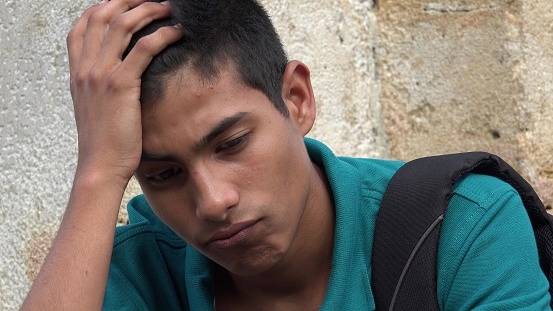
Recent policy decisions and heated political rhetoric directed at undocumented immigrants are both affecting the mental and physical health of families with at least one undocumented member, according to a report from the Kaiser Family Foundation that was released yesterday.

The infant mortality rate has consistently decreased in California in the last two decades, but a handful of counties in the state have rates that remain higher than average.
Mendocino and Fresno counties had infant mortality rates that were nearly twice the statewide average in 2013-15, the latest years for which data is available.
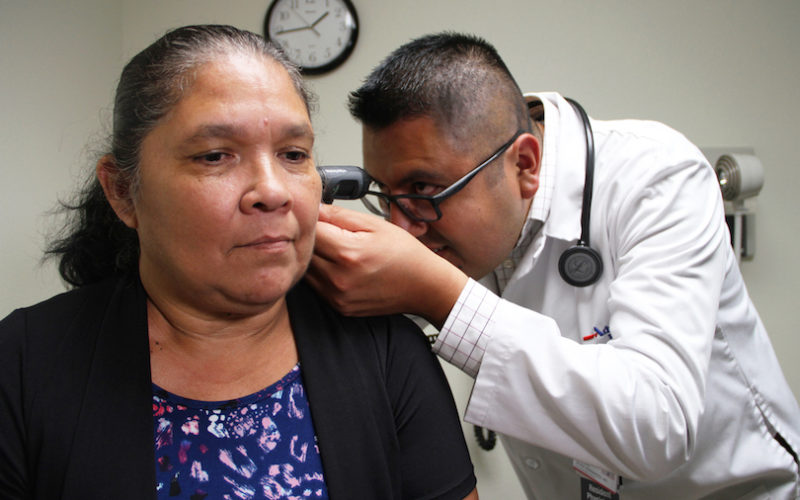
Her whole life, Isabel Gonzalez dreamed of becoming a doctor. In her native Spain, she was the first person in her family to attend medical school. For nine years, she trained intensively, finally reaching her goal of becoming a primary care physician. Then she moved to California with her American husband, and everything changed.

Children of color who live in low-income neighborhoods are less likely to receive developmental services than white children with the same diagnosis living in a higher-income area, despite a law mandating state funding for comprehensive care for anyone who qualifies.

People of mixed racial and ethnic backgrounds are part of a booming demographic, but the number of mixed-race bone marrow donors remains tiny, at about 3 percent of registered donors in the U.S.

With huge expenses mounting because of her husband’s Alzheimer’s Disease, San Francisco Bay Area resident Linda Winter depends on the medical tax deduction to alleviate some of that pain. She and others in the same situation were stunned by the Republican proposal to eliminate that deduction.