Author: Fran Kritz

Many Low Income Toddlers Fail to See a Dentist by Age 2

Less than one per cent of healthy urban children surveyed in Toronto had received dental care by the recommended age of 12 months and less than two per cent had seen a dentist by the age of 24 months, according to a recent study by researchers at St Michael’s Hospital. The study findings have importance for the United States because, like the U.S., patients must generally pay privately for dental insurance.

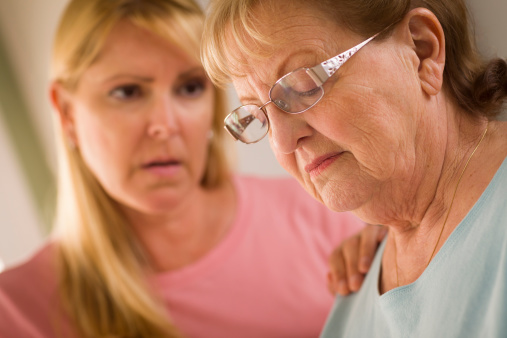
An Increasing Number of US Elderly Are Dealing with Hunger

One in 12 American older people regularly go hungry, according to a new study. Researchers at University of Illinois and the University of Kentucky used data from the National Health and Nutrition Examination Survey (NHANES). The report also shows that seniors who go hungry also face negative health and nutrition consequences.

New CDC Report Shares Effective Strategies for Reducing Health Disparities

Evidence-based interventions at the local and national levels provide promising strategies for reducing racial and ethnic health disparities related to  several conditions, including HIV infection rates, immunization coverage and motor vehicle injuries and deaths, according to a new report from the Center for Disease Control and Prevention’s (CDC) Office of Minority Health and Health Equity.

Fussy Infants and Toddlers Tend to Watch More Media

Fussy babies and toddlers are more likely to be exposed to media, according to a new study. The researchers looked at data from 7,450 children in the Early Childhood Longitudinal Study of children born in 2001, including information reported by parents at 9 months and 2 years of age.

Study: Nursing Homes Must Prepare for Influx of Alzheimer’s Patients

A new study on Alzheimer’s disease by researchers at the University of Minnesota School of Public Health finds that a culture change is desperately needed for to help improve the quality of life for Alzheimer’s patients in nursing homes. Facilities also need help to prepare for the millions of patients expected to be diagnosed with the disease in the next few decades.

Recommending Mammograms for Elderly Women Should be Determined by Expected Longevity

A new review of studies on breast cancer and elderly women by researchers at UCSF and the Harvard School of Medicine suggests that doctors should focus on how long a patient is likely to live when deciding whether to order mammograms for their oldest female patients rather than order them routinely. The researchers say their study shows that the harms of screening likely outweigh the benefits unless women are expected to live at least another decade.

X Close

Subscribe to Our Mailing Lists

* indicates required
Email Lists