
A growing number of palliative care programs are being expanded to chronically ill patients in community clinics and at home, spurred by federal and state health reforms.

A growing number of palliative care programs are being expanded to chronically ill patients in community clinics and at home, spurred by federal and state health reforms.

Dr. Milcah Larks is all too familiar with the cost of delaying preventative cancer screenings for women. As an oncologist in the Immunology Clinic at Ventura County Medical Center, a hospital in Ventura focused on underserved populations, she prescribes treatment for patients with breast and cervical cancer.

Carlos Gutierrez of Berkeley thought his health care troubles were over when he received a letter from his county’s social service agency in May telling him he qualified for Medi-Cal. The 34-year-old single father of two had been without health insurance for months after losing his job as a trainer in car rental sales. He’d applied for health coverage through Covered California — the state’s health insurance exchange — and when the letter about Medi-Cal arrived he felt relieved.
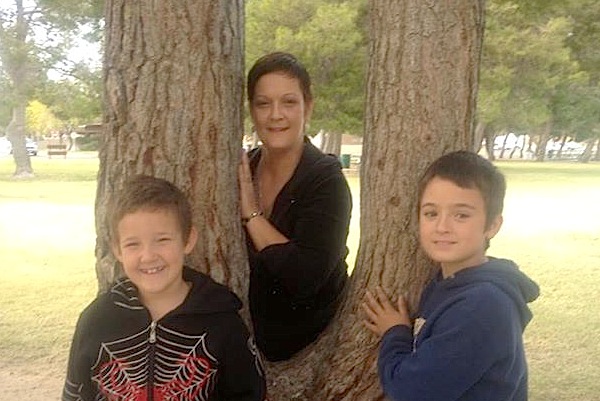
Shortly after she began participating in California’s Welfare-to-Work program, Michele Marino began to think she was going crazy. The single mother had just enrolled in a government cash-assistance program to help support herself and her two young sons, while she searched for a job and took classes at a community college. But daily tasks, school, parenting and the government requirements to stay in the welfare program felt overwhelming.
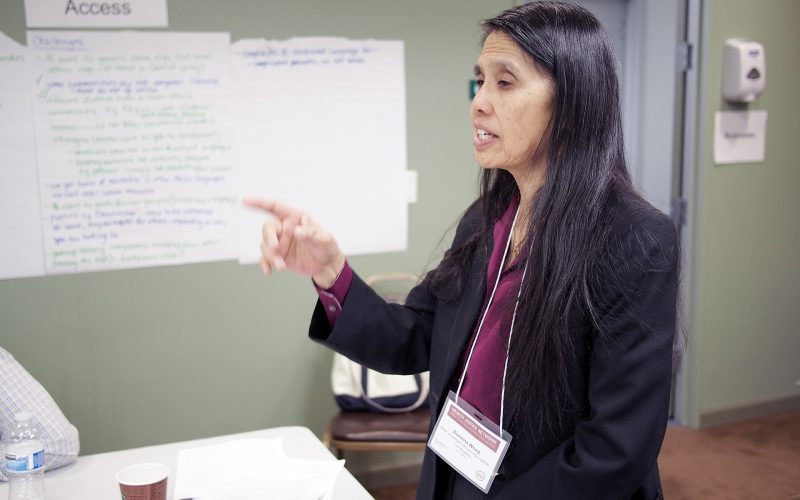
Carolina Paniagua knows what it’s like to live in a world that doesn’t make sense. When the 42-year-old arrived in the United States from Mexico 17 years ago, like many recent immigrants she spoke no English and struggled to understand even the most basic signs and conversations.
New enrollment forms the Medi-Cal program is using because of changes brought about by federal health reform are so confusing that they could lead to tens of thousands of eligible recipients losing their benefits, say advocates for the poor.

With three part-time jobs, a 14-month-old son with Down syndrome and two other children with autism, Lisa Carey has plenty to keep her busy. So when the Los Angeles mother began receiving bills last year from her health insurance company asking her to pay more than she believed the policy called for, it was a hassle she could do without.