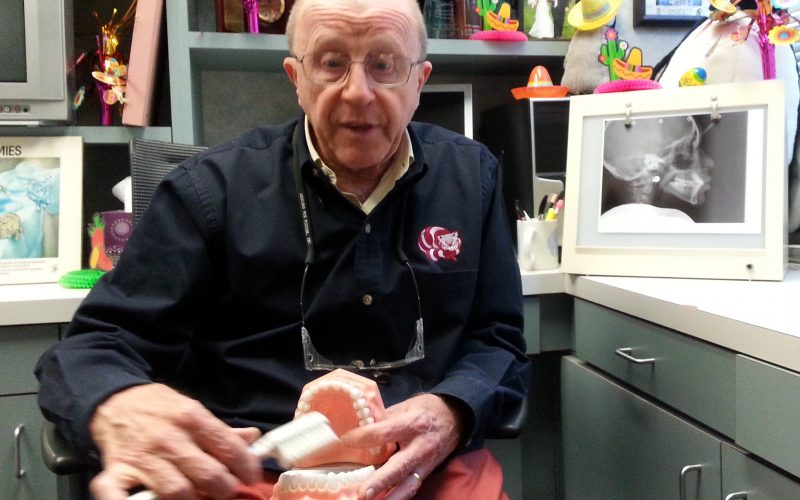
“It really helps and it really works if you’re open minded and willing to allow the process to occur. If you attend it and just sit there with your arms crossed and you’ve got a messed up look up on your face and you’re really not participating in the class, it won’t help you.”
Author: Claudia Boyd-Barrett
Amid news of stepped-up deportation efforts under President Donald Trump, some students with an undocumented parent are living in fear that their families will be torn apart.
For youths on probation, the club is an Evening Reporting Center, which provides an alternative to juvenile hall. Those assigned to the center by the Ventura County Probation Agency must attend the Boys & Girls Club’s Teen Center every day after school, usually for between 20 and 45 days.
At Step Up Ventura, outreach workers are trying to address homelessness’ impact on children by intervening as early as possible. Each week, a two-person team visits with homeless families living in shelters or transitional living facilities and who have children ages 0 to 5.
Hundreds, if not thousands, of undocumented parents in California are struggling to take care of U.S.-born children with special needs while at the same time living in fear of deportation.
Legally, school districts are supposed to provide students experiencing emotional and behavioral difficulties with mental health assessments and individualized services to help them benefit from their education. But a report earlier this year by leading advocacy organizations found half of all students with these difficulties get no mental health help at all.
The state is working with health care providers and Medi-Cal managed health plans to prepare for the influx of new patients, Cava said.
However, many clinics contacted by the California Health Report said it’s too soon to tell what the impact of the expansion will be on their patient numbers.
So far, no one has contracted Zika in California — but some travelers have returned to the state already infected. Epidemiologists say that it’s possible the virus could take hold in pockets of the state, if certain mosquitoes bite those with Zika infections, but the likelihood of a widespread epidemic is low.
Families likely aren’t taking advantage of their Denti-Cal benefits because it’s difficult to find a dentist who will accept them. Many dentists want nothing to do with Denti-Cal because it offers low reimbursement rates and comes with onerous administrative rules.
When Irene Gomez meets with young undocumented families as the director of an outreach program for migrant farmworkers in Oxnard, she finds that many are struggling to get adequate medical care for their children.