
California employers added a net of 45,000 jobs in October, more than a fourth of all new jobs in the United States that month.
Author: California Health Report
Despite tax increases approved by voters last week, the latest state fiscal review from the Legislative Analyst says California will still face a $1.9 billion shortfall in the fiscal year that begins July 1 2013. But after that, the report says, revenues should climb faster than expenses, producing the first surplus in years at the end of the 2014-15 fiscal year, and annual surpluses could climb to $9 billion after that. But the LAO cautions that these numbers assume that the Legislature and governor don’t add new programs, and the analyst suggests that the state use the surplus to build a healthy reserve and begin paying down its public employee retirement obligations. See the full report here.
The health of nearly 1 million California children hangs in the balance this month as the state prepares to shift responsibility for their care to the troubled, cash-strapped Medi-Cal program from a popular service that subsidizes private insurance coverage, known as Healthy Families. Daniel Weintraub’s weekly essay.
California has a lot at stake Tuesday in the presidential election and on the ballot here at home. Daniel Weintraub’s essay.
Support is falling for Gov. Jerry Brown’s proposal to raise income and sales taxes to balance the state budget, according to a new survey from the independent Public Policy Institute of California. Backing for a rival measure to raise income taxes and dedicate most of the money raised to the public schools is also eroding. Brown’s measure, Proposition 30, would increase taxes on earnings over
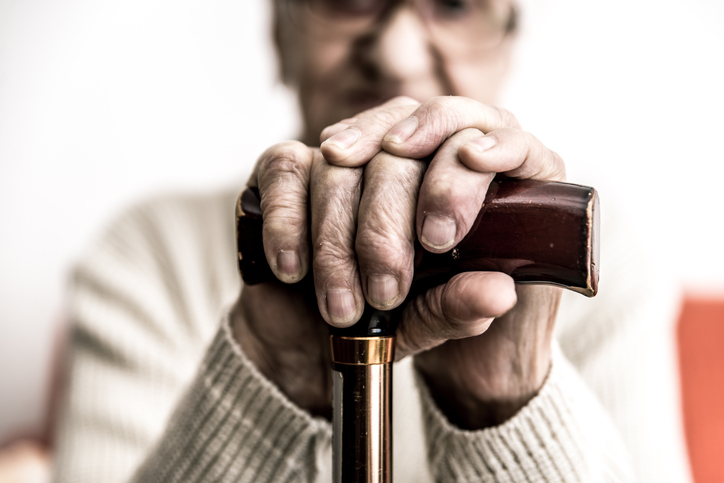
The brash exuberance of fly boys in the 1986 hit movie “Top Gun” became a cultural phenomenon, a testament to youthful bravado, the ideal representation of a society enchanted with adrenaline and speed. So when Tony Scott, the film’s 68-year-old director, committed suicide last month it illuminated an otherwise shadowy world of despair: elder depression. The scourge of late life depression is wide-spread in the United States and California. As many as 10% of older adults who visit their primary care physician suffer from severe depression, while nearly 15% have been prescribed an anti-depressant. As the state’s rapidly aging population of four million citizens 65 and up is expected to top eight million by 2030, several California health systems have adopted a popular treatment model for late life depression that – in some cases – has doubled the effectiveness of traditional care.
California scores declined this year on the SAT test used by many colleges to screen applicants, according to a release from the state Department of Education. But the pool of high school seniors taking the test grew — which may have accounted for the lower average scores. And for the first time, Latinos were the largest ethnic group taking the test in California.
Nearly three-fourths of middle-aged Californian voters say they could not afford three months in a nursing home, and nearly half say they couldn’t afford even a single month, according to a new poll released Thursday by the UCLA Center for Health Policy Research.
California’s poverty rate was 16.9 percent in 2011, the highest it has been in 15 years, according to numbers released by the US Census Bureau Wednesday.
Law enforcement leaders from throughout California said Tuesday that overzealous school disciplinary policies are making the state less safe, not more. The public schools are suspending and expelling too many students for minor offenses, leaving troubled kids on the street without adult supervision and more likely to commit crimes, said three police chiefs, a county sheriff and a district attorney.