
Anyone who’s had the responsibility of caring for a newborn or young child can agree on one thing: It’s hard!
Where do families go when they need help or information? What do parents do when they don’t have the support or the resources they need?

Anyone who’s had the responsibility of caring for a newborn or young child can agree on one thing: It’s hard!
Where do families go when they need help or information? What do parents do when they don’t have the support or the resources they need?

Children living in high poverty neighborhoods—a disproportionate number of whom are children of color—are more likely to die from child abuse.
My patients in my clinic in South Los Angeles are children from high poverty areas. However, regardless of where they practice, pediatricians have a critical role in the recognition and prevention of child abuse.

The second week after school starts, kids with respiratory illnesses—everything from simple colds to asthma attacks—fill my clinic. As a pediatrician I expect this.
But this year was different. Many of the kids had atypically high fevers and body aches with their coughs and congestion. They had influenza.

I was in a terrible car accident shortly after my 18th birthday. I had three surgeries that were supposed to help relieve my pain. They didn’t. OxyContin, an opioid pain-relief medication, was my best friend until it was my only friend.

In Los Angeles, and across much of California, affordable housing is scarce and can result in domestic violence victims staying in abusive relationships simply because there is nowhere else for them to live. No one should have to choose between homelessness and staying in a violent home.

As Sofia’s pediatrician, I couldn’t miss her mother’s overwhelming signs of postpartum depression. It’s a threat to the wellbeing of babies, their mothers and families.
Nationwide, depression affects 10 to 25 percent of all pregnant women during the perinatal period, defined as three months before pregnancy to one year after giving birth. Across California, the rate is about 20 percent, and in Los Angeles County, it’s 26 percent.
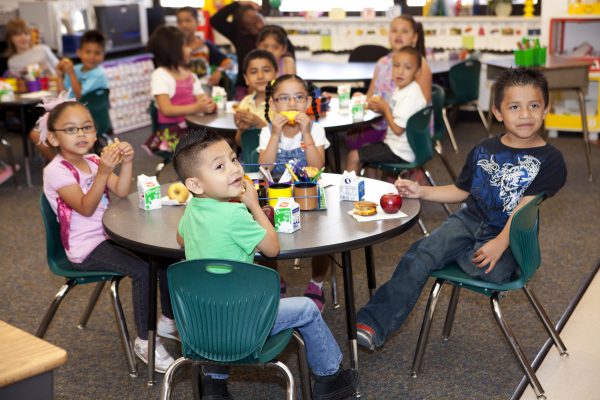
Nearly all of my clinic patients in South Los Angeles live at or below the poverty level and many struggle to put food on the table.
Recognizing that too many kids go hungry, the California legislature passed The Feed the Kids Act, Senate bill 138, which goes into effect on January 1. This program will provide school meals to some of the state’s poorest kids.

Last summer, 20-month-old Jasmine was nearly comatose when she was brought to Harbor-UCLA Medical Center in Torrance. It turned out the toddler had eaten cannabis candies that looked like Tootsie Rolls at her grandparents’ house.

Children of color who live in low-income neighborhoods are less likely to receive developmental services than white children with the same diagnosis living in a higher-income area, despite a law mandating state funding for comprehensive care for anyone who qualifies.

As the only openly HIV-positive public official in San Francisco, I applaud Gov. Jerry Brown for signing into law Senate Bill 239, which modernizes the outdated HIV criminalization laws in California.