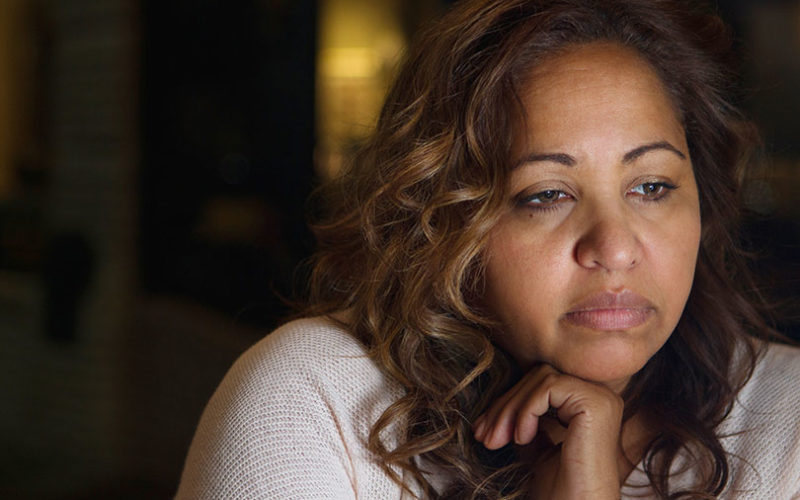
White people enrolled in Medi-Cal access mental health treatment at about twice the rate of other ethnic groups, even though they make up fewer than a quarter of plan enrollees, new state data suggests.

White people enrolled in Medi-Cal access mental health treatment at about twice the rate of other ethnic groups, even though they make up fewer than a quarter of plan enrollees, new state data suggests.

Called “Food is Medicine,” a new Los Angeles pilot program aims to keep low-income patients with congestive heart failure out of the hospital. The three-year pilot project is being funded by the state of California to the tune of $6 million.

Every time a young person who suffers from addiction reaches out for help, we have an incredible and precious opportunity to find the road back to the youth’s full potential. Wasting that opportunity isn’t just a waste of public dollars, it is a matter of life or death.
That is why my organization, the California Society of Addiction Medicine, is sponsoring legislation, Senate Bill 275, to create clear standards for youth substance use disorder prevention, early intervention and treatment.

Federal attempts to undermine the Affordable Care Act will ratchet up California’s health insurance premiums next year, but the spike is below last year’s increase and premium hikes projected for many other states.
On average, premium increases for Covered California health insurance plans and those on the individual market will rise 9 percent in 2019, according to officials with the state’s health insurance exchange. That’s less than the 12.5 percent increase in 2018, but still more than double the region’s rate of inflation.

In California, the state’s key program for providing mental health treatment to low-income children and youth under age 21 serves just a fraction of those estimated to need help, statistics show. And while the pool of children potentially eligible for these services has expanded under the Affordable Care Act, the percentage of kids actually receiving help has declined since 2010, a California Health Report analysis has found.

The Children’s Institute building on Harbor-UCLA’s campus is surrounded by playgrounds. The inside is decorated in lively colors, and it’s neatly cluttered with toys and children. It looks like Crayola designed a home inviting visitors to come play.
Many of the children here have been expelled from regular preschool.

We can minimize the harmful effects of health disparities by designing programs that offer accessible, evidence-based interventions that empower people. A new approach to medicine—that takes into account a person’s way of life, culture and neighborhood—is helping.

San Francisco’s street medicine team brings doctors and other health professionals directly to people living on the streets to hear their stories and earn their trust. They provide as many services as the person will accept, from housing and food to medication and medical treatment, including addiction treatment.

Advocates for young children are applauding the state’s budget plans for next fiscal year, which include millions of dollars for programs that help low-income parents and kids.
The $200-billion spending plan, which Gov. Jerry Brown is expected to sign into law, increases funding for cash assistance to poor families, launches a statewide home visiting program for new parents on welfare, and makes available more than 13,000 new vouchers to help low-income families pay for child care.

More Californians are participating in palliative care programs, but the need still outpaces the supply, according to a new report.
A mapping project just released by the California Healthcare Foundation found significant progress in the number of programs and participants participating in palliative care services compared to four years ago.