
California is expected to weather federal changes to health insurance rules better than many other states, but it will still face declining enrollment and rising premiums, two new studies predict.

California is expected to weather federal changes to health insurance rules better than many other states, but it will still face declining enrollment and rising premiums, two new studies predict.

Immigrants who are undocumented or have family members in the country illegally have become more wary about seeking medical help, both at clinics and hospitals and also through government programs such as Medi-Cal or the Special Supplemental Nutrition Program for Women, Infants, and Children (WIC).

Living in a polluted area as a pre-teen and teenager may have long-lasting, detrimental effects on a person’s ability to reason and problem solve, a new study suggests.
Researchers at the University of Southern California and UCLA Center for Health Policy Research tracked more than 1,300 pre-teens living in neighborhoods across Los Angeles and surrounding counties over a 12-year period.

Across California, more people than ever are signing up for health insurance through Covered California, the state-run marketplace. The enrollment surge comes at a time of increased uncertainty over the future of the Affordable Care Act.

No one is immune to the impacts of natural disasters. Yet for low-income people who already teeter close to the economic edge, a natural disaster can be difficult to rebound from.
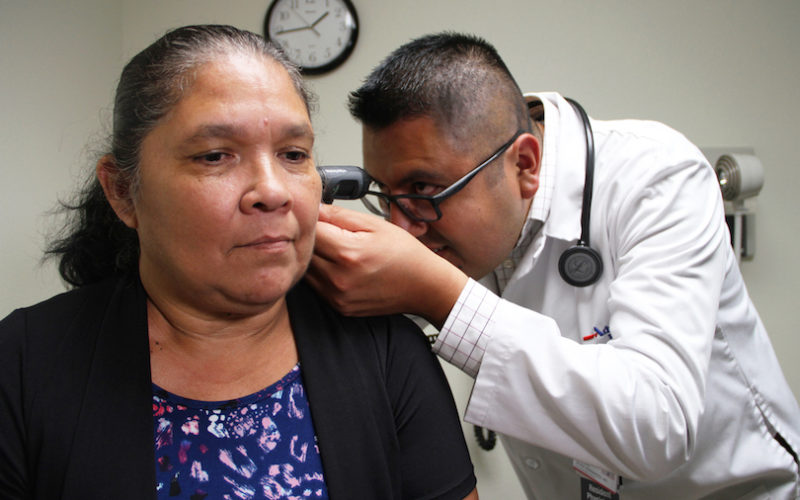
Her whole life, Isabel Gonzalez dreamed of becoming a doctor. In her native Spain, she was the first person in her family to attend medical school. For nine years, she trained intensively, finally reaching her goal of becoming a primary care physician. Then she moved to California with her American husband, and everything changed.
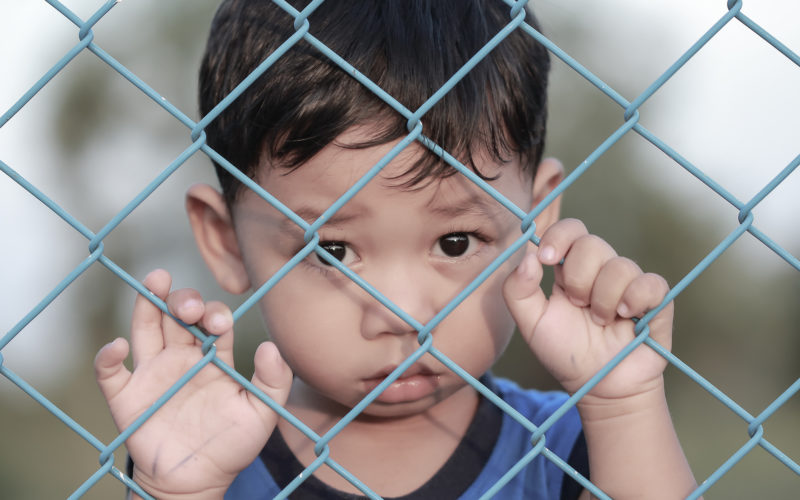
Children who have been homeless frequently have trouble falling asleep because they’ve moved around a lot, often sleeping in different beds each night and in environments they don’t feel safe in. This unpredictability affects them in other ways too: they may find it hard to trust adults, feel secure at school and manage emotions, and they are often developmentally behind other children of the same age.

“If you have someone that is willing to harm a spouse, a partner or their own children, to assume that they would isolate that violence only to their family is really naïve.”
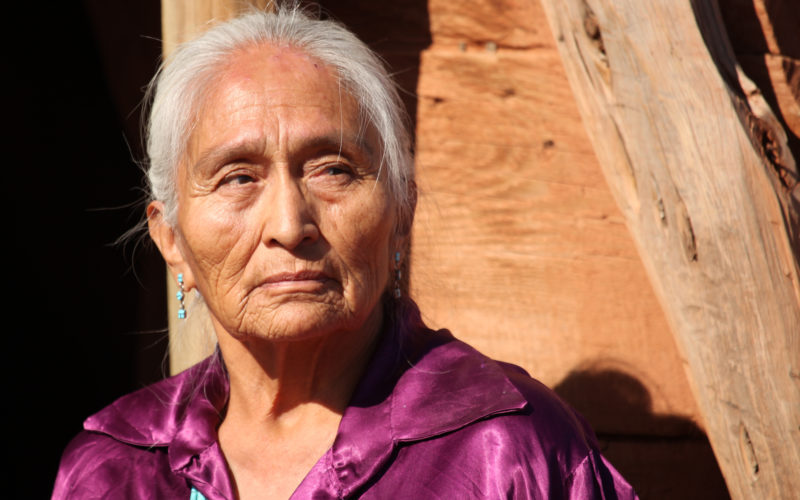
New findings paint a startling picture of ill health among small and historically neglected populations, including native Hawaiians, American Indians and native Alaskans. Not only do their rates of diabetes and obesity surpass those of non-Hispanic white people, but many are just as or even more likely to suffer from these diseases than African Americans and Latinos.

A new report from Artemis Medical Society and the Greenlining Institute concludes that discrimination and lack of support plague minority women entering the medical field.