My son’s hearing aids cost more than my car.
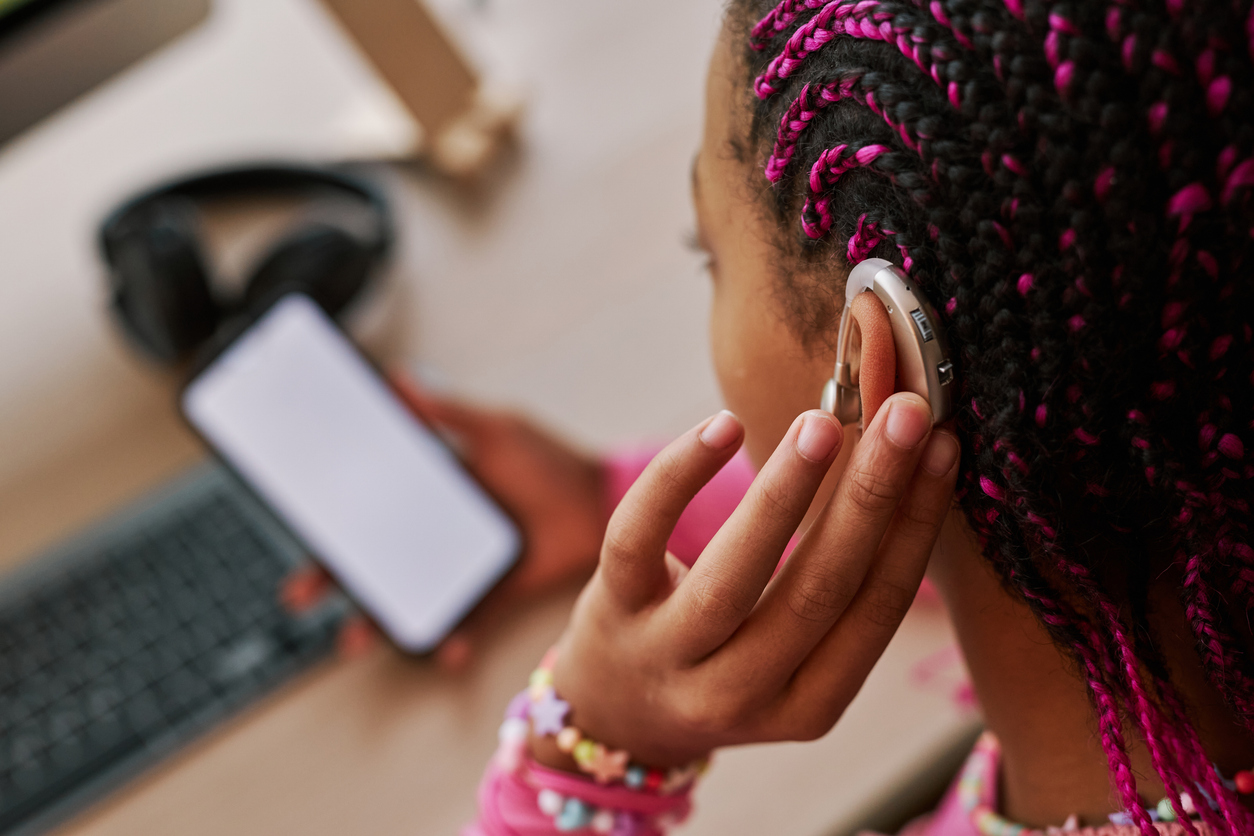
Most children’s hearing aids are specialty devices that must be finely tuned by an audiologist. A pair of hearing aids that has all the features a child needs can cost $6,000 or more. My son James’ most recent pair of hearing aids cost about $8000.
And they are worth every penny. They allow him to learn in school and interact with the world. Learning in a noisy classroom means he has to switch between hearing computer audio, his teacher, and his peers — but his hearing aids can handle all of that. His hearing aids also mean he can hear family talks around the dinner table and tell us about his day.
James has worn hearing aids since he was a toddler. Figuring out how to get his hearing tested and get coverage for his hearing aids meant that I had to figure out the rules of our private insurance first, then figure out how that coverage would interact with his coverage through Medi-Cal and California Children’s Services. Even for a child who qualified for all three programs, the authorization process to get his first pair of hearing aids took more than six months. My son was only able to get coverage for his hearing aids because he has Medi-Cal eligibility through a waiver program related to his other disabilities. Middle class children whose only disability is hearing loss don’t qualify for any waiver programs.
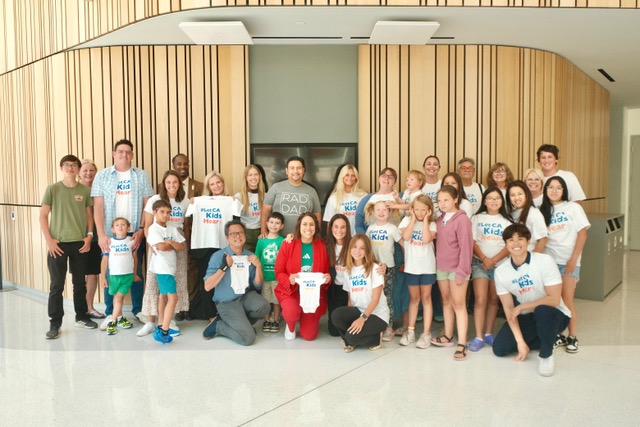
California is trying to improve access. Starting in 2028, more children will have hearing aid coverage through their parent’s health insurance plans, thanks to SB 331, Sen. Caroline Menjivar’s Let California Kids Hear Act. Large-group health plans regulated by the state will be required to cover medically necessary hearing aids for children and young adults under age 21. California will join 35 other states that require some private insurance plans to cover for children’s hearing aids.
The new law does not apply to small-group health plans or individual plans purchased through Covered California. Children with this type of coverage who can’t get hearing aids through their insurance may be able to get hearing aids through the Hearing Aid Coverage for Children Program.
California has screened all newborns for hearing loss since 1998, but families who learned that their child had hearing loss faced another obstacle. Until this bill, private insurance was not required to cover the cost of hearing aids for children. This left families facing high costs and tough decisions about how to pay for hearing aids. Children with hearing loss who can’t get hearing aids are at risk for permanent delays in speech and language development.
“Childhood hearing loss is a developmental emergency that has been unfolding for years in California,” said Dr. Dylan Chan, a pediatric otolaryngologist and director of the Children’s Communication Center at UC San Francisco. “With SB 331, thousands of children will have access to hearing aids during the most critical years of their development.”
Our family has insurance through my husband’s job. That insurance is primary even though James has Medi-Cal access through a waiver program because of his breathing disabilities. Our private insurance will pay a maximum of $700 towards hearing aids.
With the new bill, “thousands of parents will no longer be told by their health plan that their child’s hearing aids are ‘elective’ and be forced to put a $6,000 pair on a credit card, delay time-sensitive treatment or forgo them altogether,” said Michelle Marciniak, founder of Let California Kids Hear.
Children’s hearing aids are generally much more expensive than adult hearing aids for several reasons. Adults might be able to make do with lower cost hearing aids, but children who are still developing the ability to speak and process language cannot. Giving a hearing test and programming a hearing aid to work for a child who isn’t old enough to clearly communicate what they’re hearing (and not hearing) requires more time and training for the audiologist. Children with hearing loss are actively learning language and speech in noisy classroom settings, this requires more technologically advanced hearing aids that can filter out background noise. Children’s hearing aids need to be sturdy enough to stand up to active play, they also need to be adjusted and replaced more often as the child grows.
Today, my son is a teenager who is used to getting hearing aid tests. He’s able to follow instructions to help the audiologist fine tune the help he gets from his hearing aids. When he was a young toddler, I had to sit very quietly with him in my lap while the audiologist monitored his facial expressions and head movements to decipher what sounds he was hearing.
SB 331 doesn’t apply to every insurance plan in California. Some types of private insurance plans can only be regulated by the federal government and there is no federal regulation that requires coverage for children’s hearing aids. SB 331 applies to large-group health plan contracts and insurance policies issued, amended or renewed on or after Jan. 1, 2028. It does not apply to small-group plans or individual plans purchased through Covered California. Advocates estimate that approximately 8,000 deaf and hard-of-hearing children will be able to access hearing aids once the rules take effect.
This is a huge step in the right direction. Access to hearing aids for children with hearing loss doesn’t just mean kids can hear — it means they can learn, grow and communicate with the world.
It’s not always easy to find out whether your employer-based insurance is a large-group plan that will be required to cover children’s hearing aids or a different type of plan that isn’t. That’s not the kind of information that’s printed on an insurance card, but your employer’s human resources department should be able to answer that question. You can ask to see your health insurance plan document — it’s usually a thick binder of information that has details about coverage limits and policy exclusions, including coverage for hearing aids. Some plans that aren’t legally required to cover children’s hearing aids have opted to provide coverage because they see the value in addressing hearing loss before it creates lifelong language processing problems.
Children who are enrolled in private insurance plans that don’t cover hearing aids or provide inadequate coverage have options. Some children might qualify for state programs that help pay for hearing aids. Here’s a list of resources:
Hearing Aid Coverage for Children Program (HACCP)
HACCP is a California program that can pay for hearing aids for children with private health insurance that either does not cover hearing aids or has a coverage limit of $1,500 or less. HACCP covers children and young adults up to age 20 who have a household income under 600 percent of the federal poverty line — currently $198,000 per year for a family of four. To find a hearing aid provider who accepts HACCP, check this list. The HACCP application process requires families to submit financial information and the hearing aid prescription.
Medi-Cal Coverage for Children’s Hearing Aids
Children who qualify for coverage through Medi-Cal or California Children’s Services are not eligible to get hearing aids through HACCP, but Medi-Cal covers medically necessary hearing aids for children and young adults under age 21 who have a family income of up to 266 percent of the federal poverty line — or $87,780 per year for children in a family of four when the children have no other health coverage. To find a hearing aid provider who accepts your Medi-Cal plan, reach out to your Medi-Cal Managed Care Plan.
Medi-Cal also covers hearing aids for some adults, up to $1,510 per year.
California Children’s Services Coverage for Children’s Hearing Aids
California Children’s Services (CCS) is a state program that provides medical care, equipment, rehabilitation and case management for children with qualifying medical conditions. Children must be Medi-Cal eligible or have out-of-pocket medical expenses expected to be more than 20 percent of their family’s adjusted gross income. (The cost of the hearing aids can count toward this amount.)
To get coverage for hearing aids through CCS, the child’s hearing loss must be related to an eligible condition. A child who has hearing loss that isn’t severe enough to meet the criteria for coverage through CCS will likely meet the criteria for coverage through Medi-Cal.
CCS only pays for hearing aids prescribed by audiologists with specialized pediatric training. To find a hearing aid provider who works with the CCS program, check this list. CCS classifies centers based on the amount of specialty services available. Type A centers can work with children age 5 and up, Type B centers can work with children age 3 and up, and Type C centers can work with children of any age. Type B and C centers also have comprehensive speech-language pathology services.
Hearing Aid Accessories
Medi-Cal, CCS and HACCP pay for hearing aid batteries.
Medi-Cal, CCS, HACCP, and plans that will be regulated by SB 331 pay for custom ear molds.
Assisted Listening Devices for School
In school settings, children commonly use assisted listening devices with microphones and receivers like the Roger system. These systems help children with hearing aids focus on the teacher’s voice in a noisy classroom. These systems are especially useful for children who are learning how to listen and learn with their hearing loss. Medi-Cal and CCS can pay for these devices when they are medically necessary. If a child is enrolled in a public school and the devices are necessary for them to access their education, the school likely has an obligation to pay for the assisted listening devices (but not the hearing aids themselves).
Some private health insurance plans classify Bone Conduction Hearing Devices — a style of hearing aid that transmits vibrations directly to the inner ear through the bones of the skull — as a prosthetic device instead of a hearing aid. This style of hearing aid is only appropriate for some types of hearing loss. This distinction means that this style of hearing aid might be covered by a plan that does not cover behind-the-ear hearing aids.

Jennifer McLelland writes about disability rights and health equity for the California Health Report.